FIJIANFijian HistoryHISTORY
  • Privacy Policy
  • About Us
  • ‹
  • 1
  • 2
  • 3
  • 4
  • 5
  • ›
“The burenivanua in the centre of Sorokoba. The house is the official residence of the Tui Ba. It was rebuilt according to traditional designs atop the original yavu, but with modern materials” Source: Nicholas halter 2018.
Sorokoba Village, Ba

Sorokoba is located 3km north of Ba town and is the seat of the Tui Ba (paramount chief of Ba).

“Samoan Congregational Church, view from Thurston Street” (Source: Nicholas Halter 2020)
Samoan Congregational Church

The Samoan Congregational Church was constructed in 1988 and offers religious and pastoral support to the Samoan community in Fiji, including many Samoan students who come to Fiji to study at USP. Originally established by the London Missionary Society (LMS), the Samoan Congregational Church today is known by Samoans as the Ekalesia Fa’apotpotoga Kerisiano i Samoa (EFKS). The church has played an important role in safeguarding  the ethos of fa’a Samoa in Fiji, symbolized by its motto e lele le toloa, ae maau ile vai (meaning “the Toloa water-bird flies away yet always goes back to the water”.)

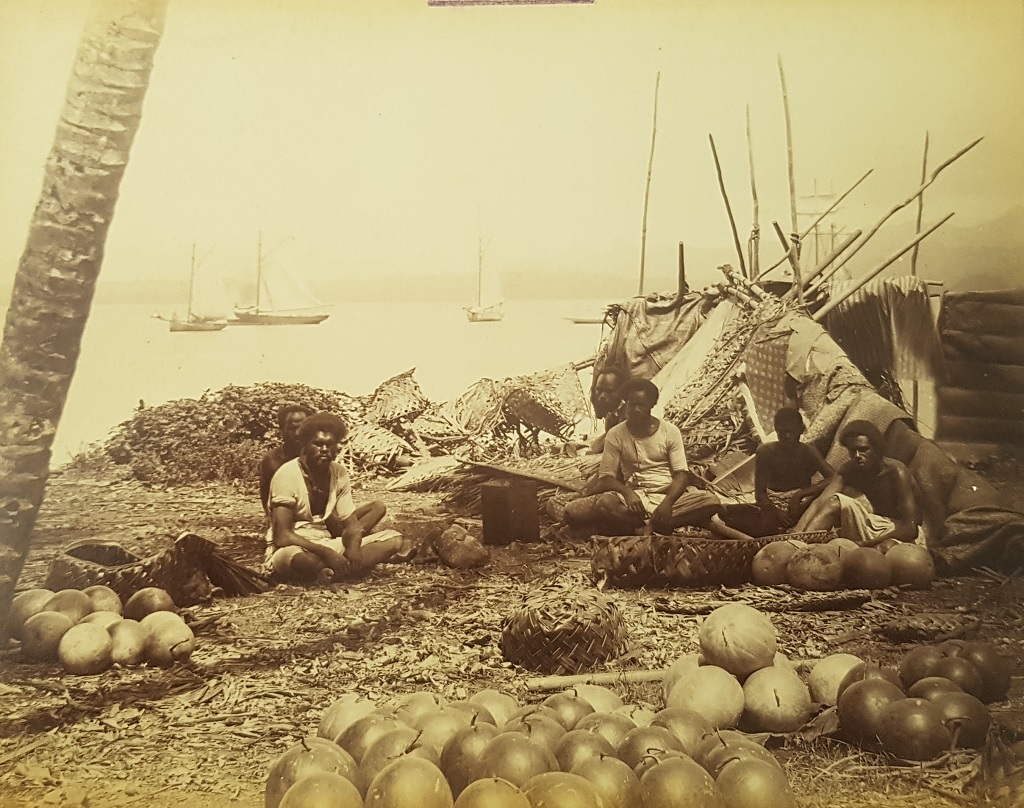
“Fijians – clothing, Village People (Suva area), probably taken during [18]80s” Source: Fiji Museum P32.4/138
Origins of Suva

The indigenous settlement of Suva was established in the early 1800s at the site of the present-day Thurston Gardens. The itaukei were forced to move to Suvavou in 1882 by European colonial powers to make room for the new capital. 

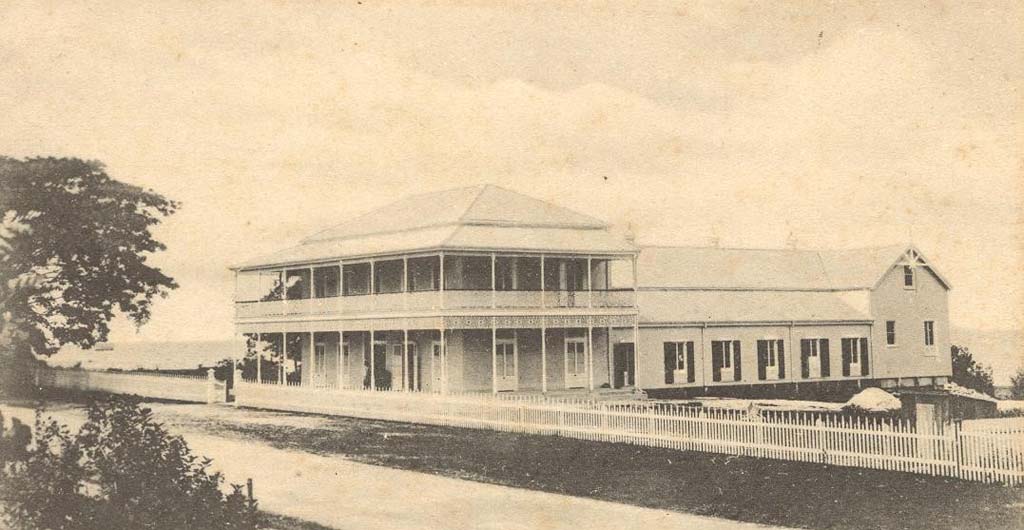
“Q.V. Memorial Hall, Suva, Fiji”, Unknown, c1904, shortly after completion. Source: Max Quanchi and Max Shekleton, An Ideal Colony and Epitome of Progress: Colonial Fiji in Picture Postcards, forthcoming.
Suva Town Hall

The Town Hall was originally named the Queen Victoria Memorial Hall when it was opened in 1905. Over a century it has hosted many tenants, including the Fiji Museum, an aquarium, a theatre and restaurants.

“Suva Prison, 1946” Source: Bart van Aller, Suva Gaol (Suva, National Trust of Fiji 2015).
Suva Prison

The Suva Prison is the major receiving centre in Fiji. Established at Korovou soon after the capital moved to Suva, the prison has housed men, women and juvenile prisoners at various times in its history. The complex includes Fiji’s first ferro-concrete building and a gallows where executions took place until 1964. Prisoners have maintained the nearby Suva cemetery since the prison was opened.

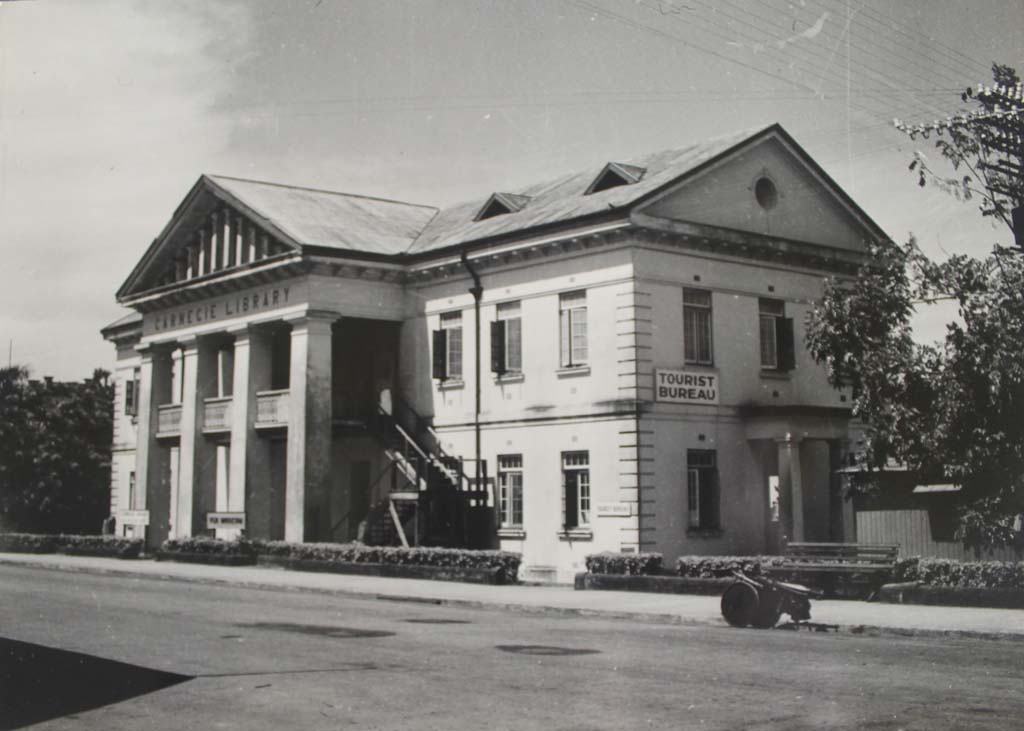
"Carnegie Library, Suva, Fiji", Unknown c.1930-1954, Source: Fiji Museum P/23.1/8
Suva City Carnegie Library

The Suva City Carnegie Library was opened in 1909 and bears the name of the Scottish-born American philanthropist who funded it. It is now run by the Suva City Council and serves the Central and Eastern Divisons of Fiji.

“Wreck of the Syria Memorial, Nausori” Source: Nicholas Halter 2012
Wreck of the Syria Memorial, Nausori

The monument at Nausori was built in memory of people who died aboard the Indian immigrant ship Syria when it was wrecked on Nasilai reef in 1884. It was one of the worst maritime disasters in Fiji history - 59 people died in the tragedy.

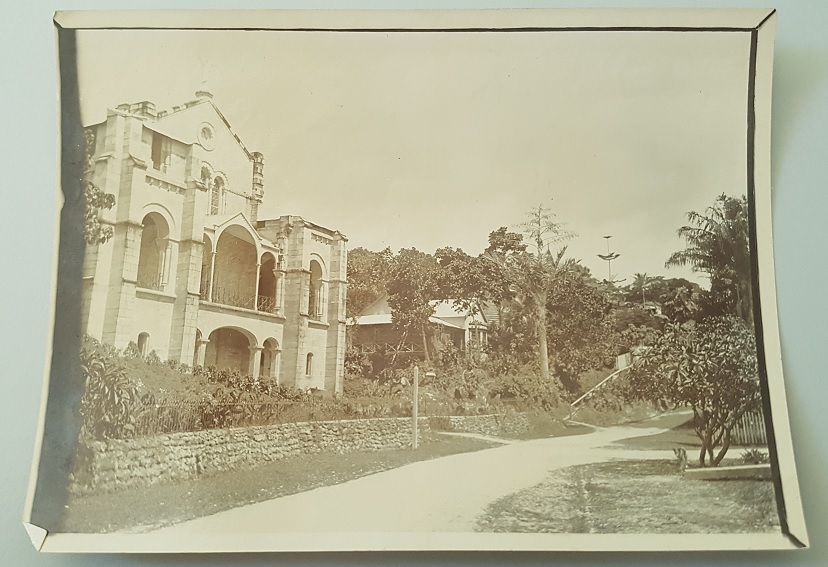
“Anglican Church Macarthur Street” c.1900s Source: Fiji Museum P32.4/28
Holy Trinity Anglican Cathedral

The Anglican Church was first established in Levuka in 1870. It came under the administration of the Diocese of Polynesia which was created with the consecration of its first Bishop in 1908. The cathedral in Suva was constructed in several stages between the 1950s and 1970s.

“Tarua & Beverely, n.d.” Source: Nicholas Rollings
Royal Suva Yacht Club

The current Royal Suva Yacht Club was built in 1948 at Walu Bay. It is believed to have begun earlier (possibly the 1930s) in the heart of Suva city near the old wharf at Pier Street before the land was reclaimed. 

  • ‹
  • 1
  • 2
  • 3
  • 4
  • 5
  • ›
Attribution-NonCommercial

Website content is licensed under a Creative Commons Attribution 4.0 International License. All material used on this site retains the original Creative Commons Licences and can only be re-used under their respective licences. Note that corporate logos (such as the Fijian History logo) and images used in some collections and branding are specifically excluded from the Creative Commons Attribution Licence, and may not be reproduced under any circumstances without the express written permission of the copyright holders.

Fijian History © 2018 - The University of the South Pacific
About

This project was a collaborative effort by staff and students of The University of the South Pacific to document some of the historic sites of Fiji.

Download App

Download the app from Google Play Store and browse fijian stories even when offline

Get the app on Google Play
Contact
  • Email us