FIJIANFijian HistoryHISTORY
  • Privacy Policy
  • About Us
  • ‹
  • 1
  • 2
  • 3
  • 4
  • 5
  • ›
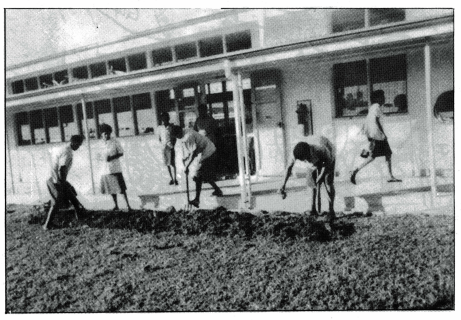
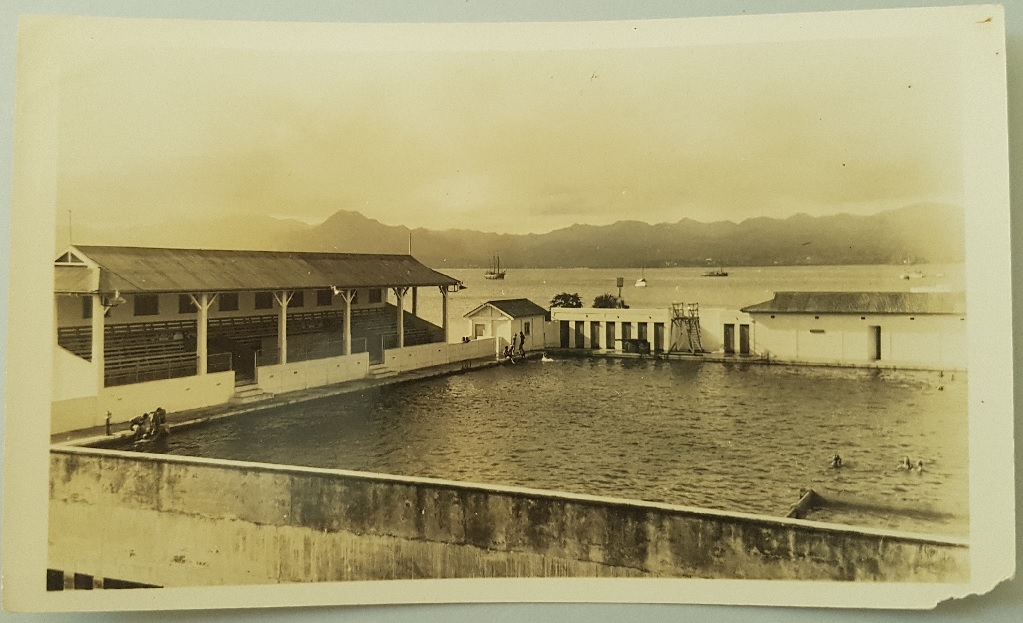
“Swimming Baths Suva, About 1930” Source: Fiji Musuem P32.4/17
Suva Olympic Pool

The Suva Olympic Pool is the oldest colonial pool in Fiji. Built in 1925 it was originally called the Suva Sea Baths. It has since hosted countless swimming competitions, including the first Pacific Games.

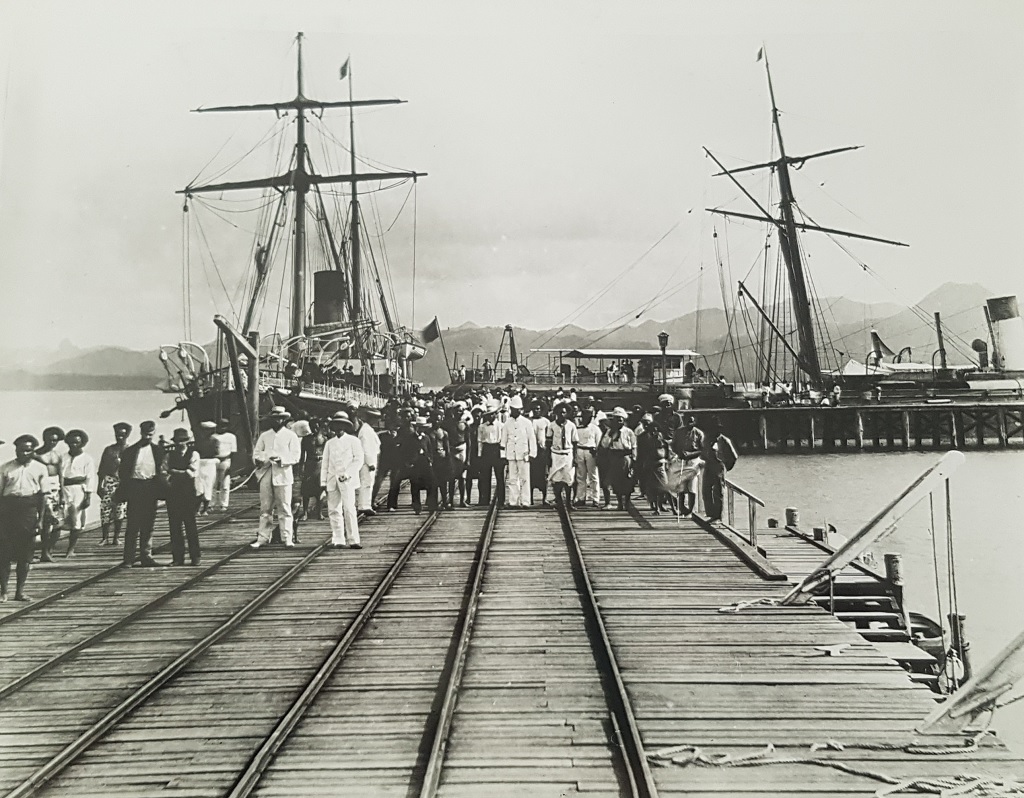
“King’s Wharf Suva 1929” Source: Fiji Museum P32.7/10
King's Wharf

King’s wharf was constructed on reclaimed land during WWI to replace the smaller Queen’s wharf at Pier Street.

“Prospective Sketch by Mr Haus Turner? made while plans were in preparation”, c.1950s, Fiji Museum P23.1/14
Fiji Museum

The Fiji Museum was established in 1904 and has moved several times over the last century. It has been situated in Thurston Gardens since the 1950s and contains artefacts up to 3700 years old.

“Borron House overlooking the Waimanu Road area, around 1942” Source: Time Connections: A Quarterly Newsletter from the Friends of the Fiji Museum, 1996
Borron House

Borron House was once the home of a wealthy colonial planter family and is now used as a state guesthouse by the Government of Fiji to accommodate VIP guests.

“Roman Catholic Cathedral, Pratt Street”, no date. Source: Fiji Museum, P32.4/41.
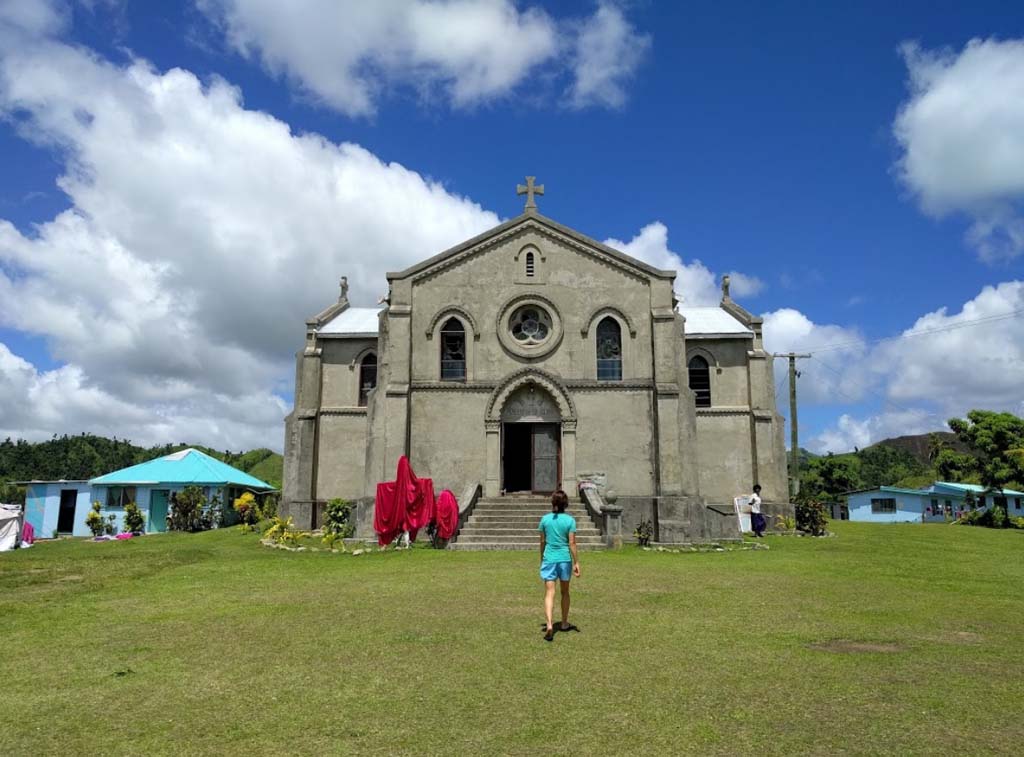
Sacred Heart Cathedral

The Sacred Heart Cathedral is the headquarters of the Catholic Archdiocese of Suva. The construction of the Cathedral began in 1894 and was not completed until 1994, 150 years after the first Marist missionaries arrived in Fiji. The grand European design includes sandstone blocks imported from Australia, concrete staircases and balustrades, and two towers. The central stained glass window above the altar contains an image of a bilo cup beneath the Sacred Heart of Jesus.

“Suva Prison, 1946” Source: Bart van Aller, Suva Gaol (Suva, National Trust of Fiji 2015).
Suva Prison

The Suva Prison is the major receiving centre in Fiji. Established at Korovou soon after the capital moved to Suva, the prison has housed men, women and juvenile prisoners at various times in its history. The complex includes Fiji’s first ferro-concrete building and a gallows where executions took place until 1964. Prisoners have maintained the nearby Suva cemetery since the prison was opened.

“Q.V. Memorial Hall, Suva, Fiji”, Unknown, c1904, shortly after completion. Source: Max Quanchi and Max Shekleton, An Ideal Colony and Epitome of Progress: Colonial Fiji in Picture Postcards, forthcoming.
Suva Town Hall

The Town Hall was originally named the Queen Victoria Memorial Hall when it was opened in 1905. Over a century it has hosted many tenants, including the Fiji Museum, an aquarium, a theatre and restaurants.

“Sacred Heart Cathedral, Pratt Street, building began 1894, completed in 1939” Source Nicholas Halter 2018
Architecture

Architecture in Suva is reflective of the many different influences over time. These include the indigenous itaukei people who first occupied the land, other Pacific Islander, Asian and Indian migrants who settled since the late 1800s, and government officials and traders who built large colonial dwellings in and around the town centre.

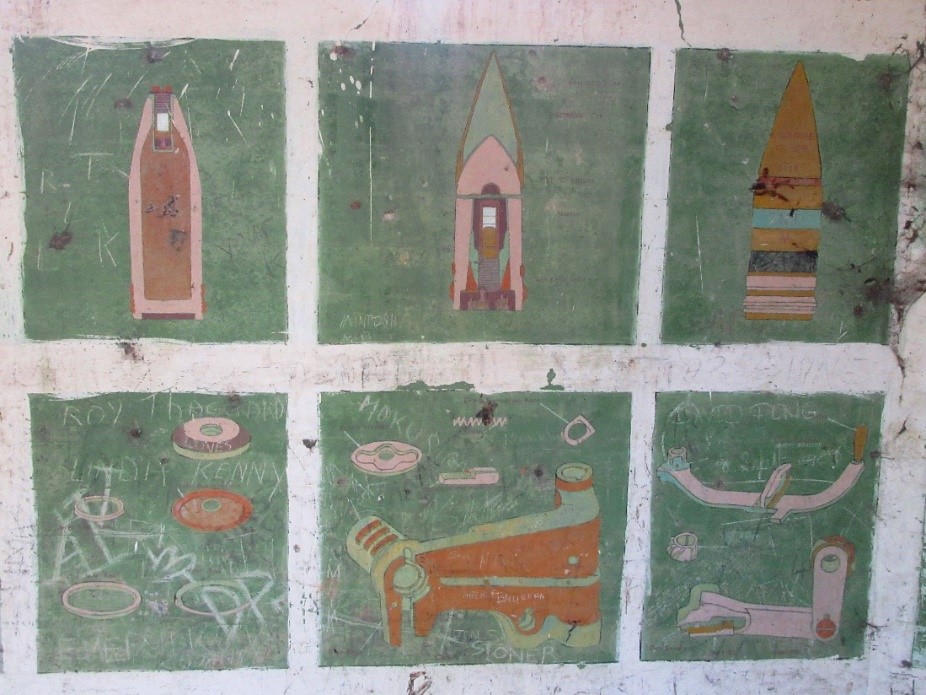
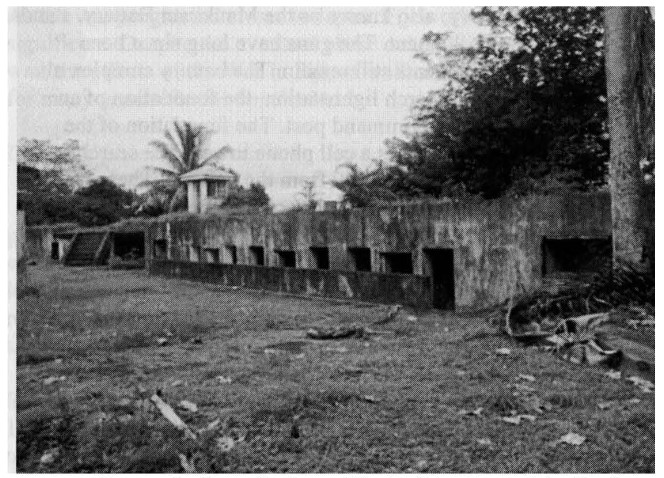
An example of diagrams at the Nasonini Battery outlining how to use the defensive equipment, photographed in 2016 and partially defaced by graffiti (taken from Global Archaeology).
Nasonini Gun Battery

The gun battery now nestled within the Pacific Islands Forum Secretariat’s main premises has deteriorated like its sister structure in Veiuto, with it also existing in less-than-ideal conditions. However, only one of its guns remains in it (broken up into pieces, unfortunately) and one of its three emplacements has been demolished so a residence for the High Commissioner of New Zealand could be built in its stead.

  • ‹
  • 1
  • 2
  • 3
  • 4
  • 5
  • ›
Attribution-NonCommercial

Website content is licensed under a Creative Commons Attribution 4.0 International License. All material used on this site retains the original Creative Commons Licences and can only be re-used under their respective licences. Note that corporate logos (such as the Fijian History logo) and images used in some collections and branding are specifically excluded from the Creative Commons Attribution Licence, and may not be reproduced under any circumstances without the express written permission of the copyright holders.

Fijian History © 2018 - The University of the South Pacific
About

This project was a collaborative effort by staff and students of The University of the South Pacific to document some of the historic sites of Fiji.

Download App

Download the app from Google Play Store and browse fijian stories even when offline

Get the app on Google Play
Contact
  • Email us